
Hockley-Clay Cultural Heritage District
District 10, San Antonio, TX
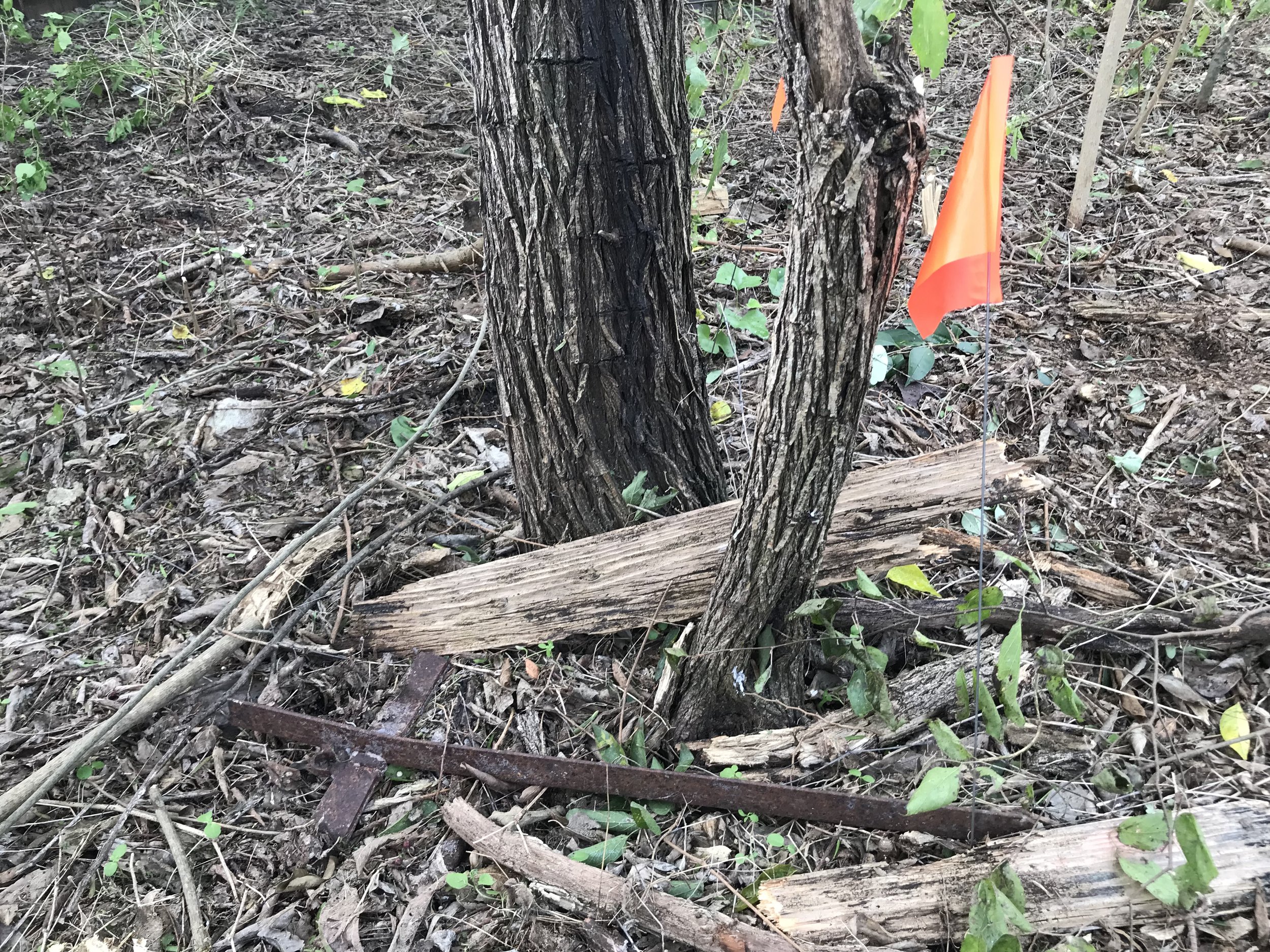
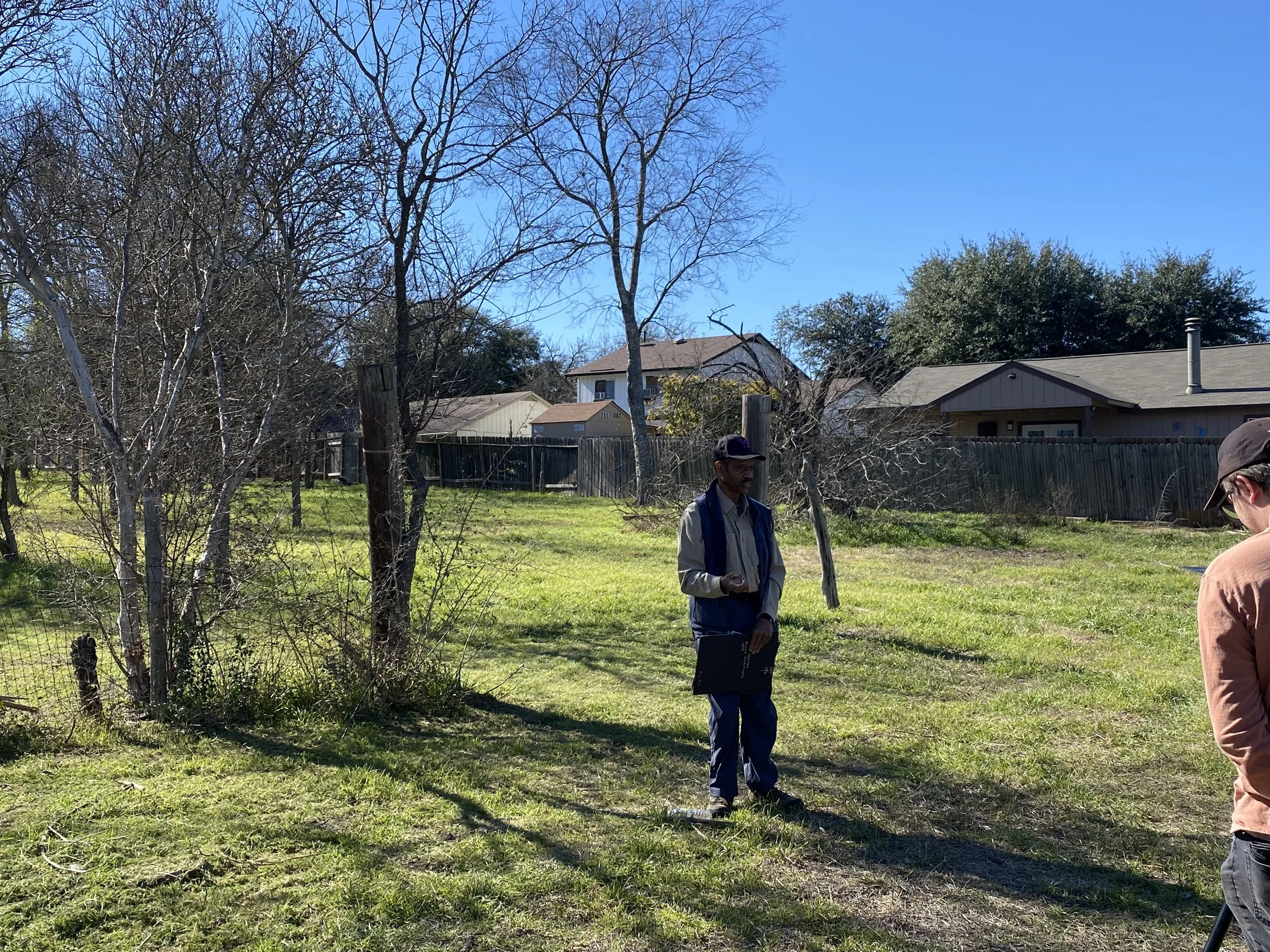
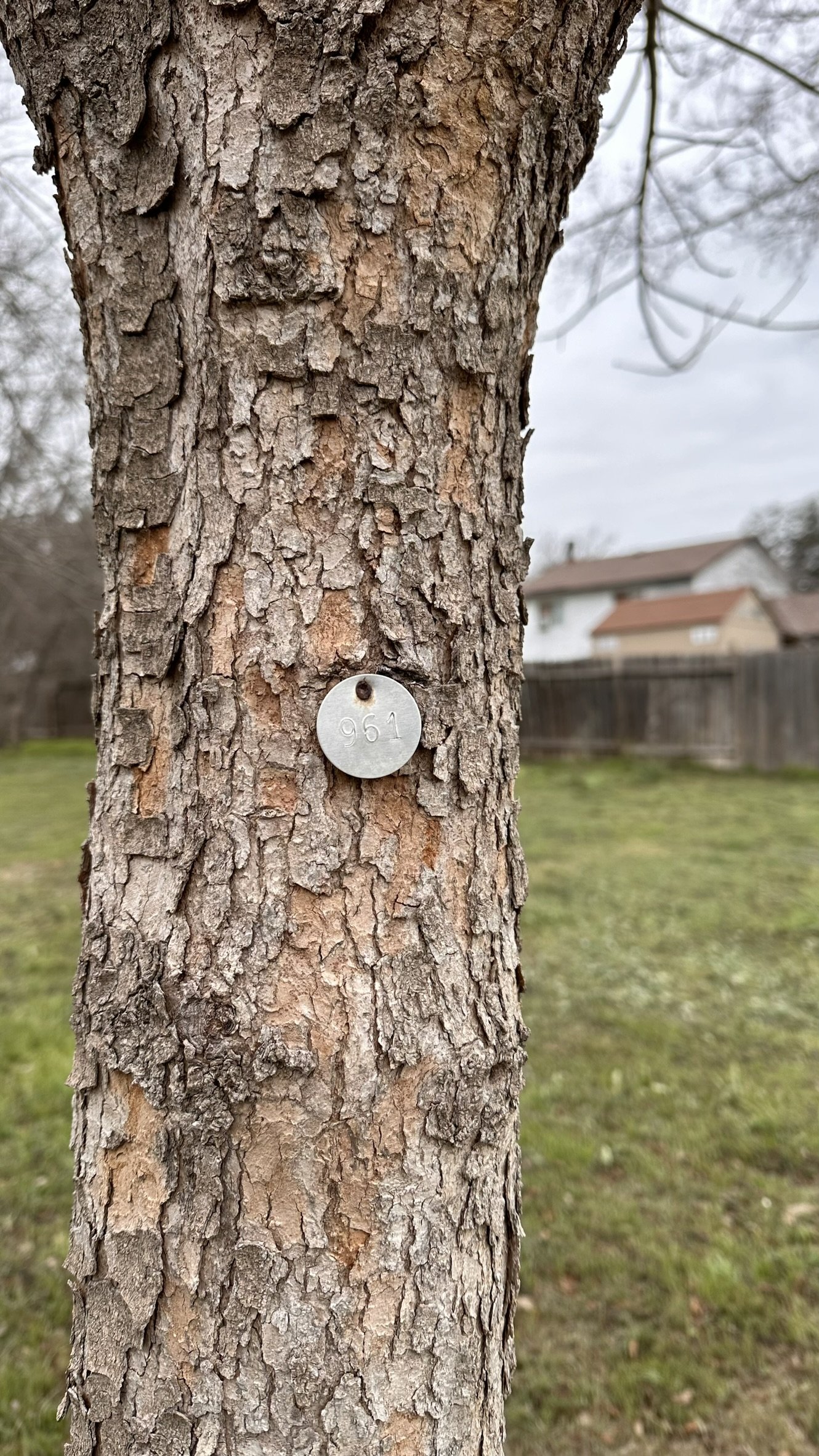
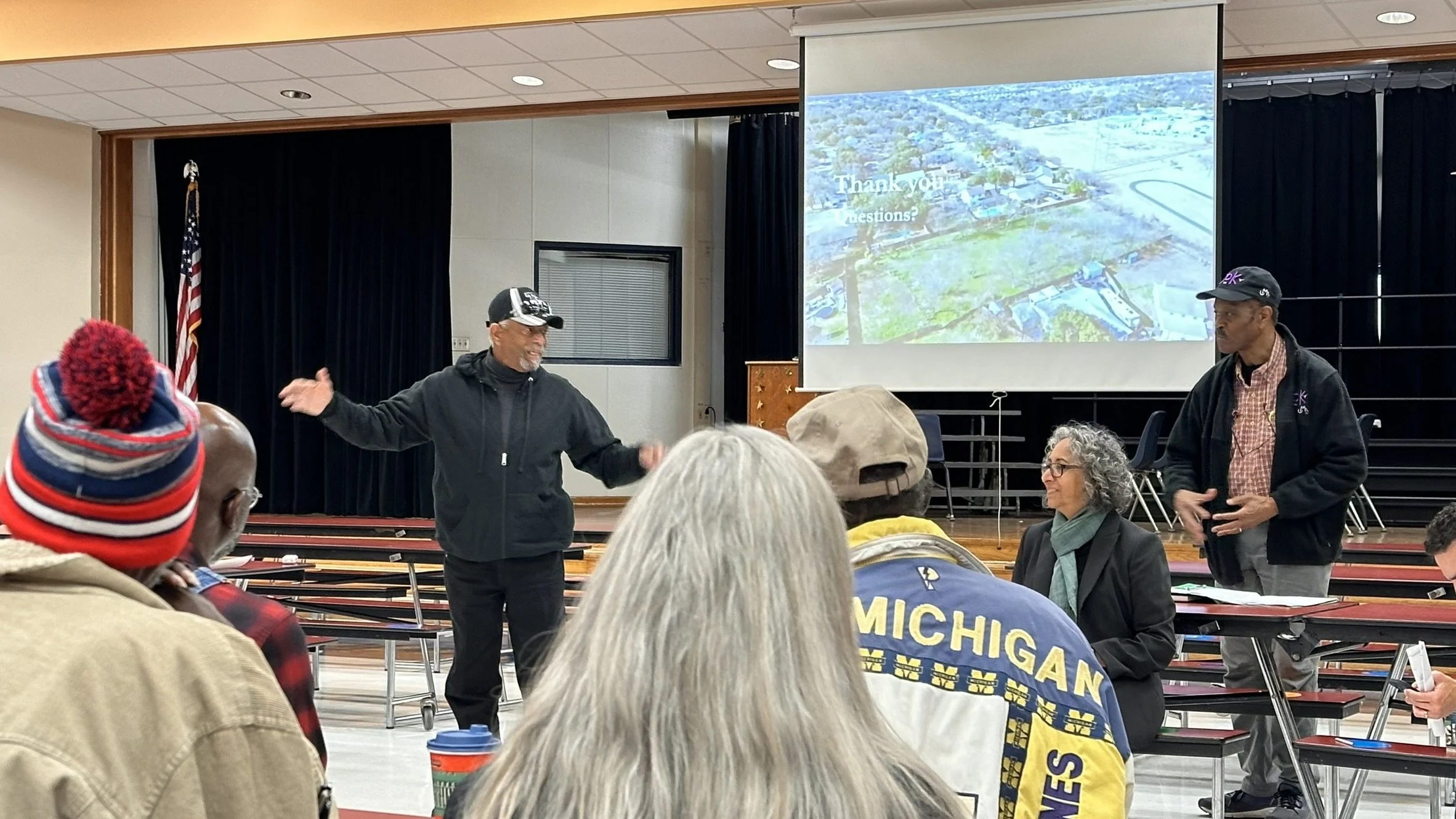
The Hockley-Clay Cemetery is a family plot located in north east San Antonio, on land that used to be cattle ranch land. This intergenerational cemetery holds the history of generations of African American cowboys in San Antonio. The cemetery is maintained and cared for by the descendants. The extended family and community meets yearly to share ongoing research about their history in San Antonio and Central Texas.
Read the Full report!
Click on the link to download and read the archeological report prepared by Clinton M. M. McKenzie for SAAACAM.
Map
History
by Everett L. Fly
Jane Warren (b.1825 in Alabama) was a former slave, and matriarch of the Hockley-Freeman- Clay family. She received the deed to the first fifty seven acres of her land in 1873, and later dedicated 1.26 acres “…to be used as a burying ground and graveyard and a road leading to same…” Records verify burials as early as 1908. A number of other black families joined the Hockleys in buying and occupying land in the area. By 1900 the U.S. Census rolls recorded more than one hundred blacks near Jane Warren’s property and the Cibolo Creek to the north.
Over the years the cemetery became known as the “Hockley-Clay Family Cemetery” though members of several other area black families were also buried there. By 1900 census rolls identified approximately one hundred black residents within a five mile radius of the Hockley site. The black landowners set aside land for “colored church, school and playground” uses in the area. Alonzo Hockley (1847 - 1921) served as a “Colored School Trustee” in 1903. Eventually the Hockley heirs sold the land in 1975, except for the cemetery. Easter Jane Hockley Clay (1880 - 1982) resided on the property until its sale in 1975. Burials continued into the 1970’s. In 1980 the Lloyd A. Denton company filed a plat for subdivision of Northern Hills Unit 13 into residential lots north of Uhr Lane. The plat specifically labeled the old Hockley property and easement access as “cemetery”, and arranged the new residential lots around the original cemetery boundary and access.
A number of other Black families joined the Hockleys in buying and occupying land in the area. By 1900 the U.S. Census rolls recorded more than one hundred Blacks near Jane Warren’s property and the Cibolo Creek to the north. The dedication of land by Black citizens for two “colored schools”, two “colored churches”, and three cemeteries, formed the civic core of an extended rural black enclave. Members of the Ellis Griffin family, to the south, and the Dan Winters family, to the north, intermarried into the Hockley family. Members of the Demp Clay family, from the Floresville area, also married into the extended family. The enclave is one example of at least twelve black settlements in Bexar County that originated more than one hundred years ago. The cemetery remains as one of the last original components of a 19th century historic black settlement currently within the San Antonio city limits. This type of cultural resource is extremely rare in a major Texas or American city. The San Antonio community rarely recovers and celebrates an historic African American resource of this nature.

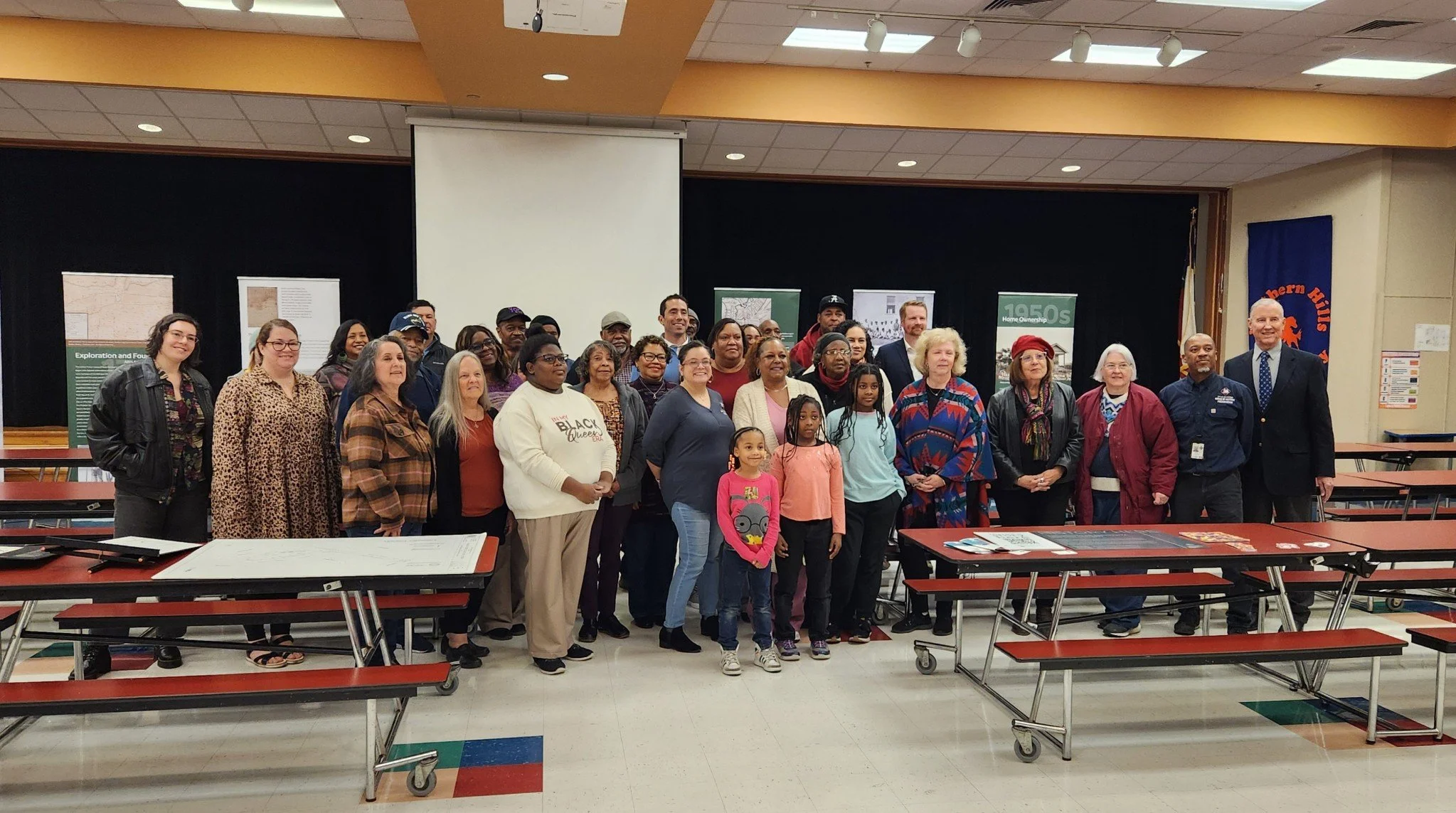
Acknowledgements
The following partners and stakeholders made this project possible:
Center for Archeological Research, UTSA
Clay Family
District 10
Everett Fly
Hockley Family
SAAACAM
Satterwhite Family
Additional ways to celebrate and honor places that are meaningful to you!
The Office of Historic Preservation has tools in place to recognize, celebrate, and spread awareness of places that are meaningful to San Antonio’s history and living culture. Feel free to learn about these programs and and consider participating!